

Could Your Home's Plumbing Be Affecting Your Health Without You Realising?
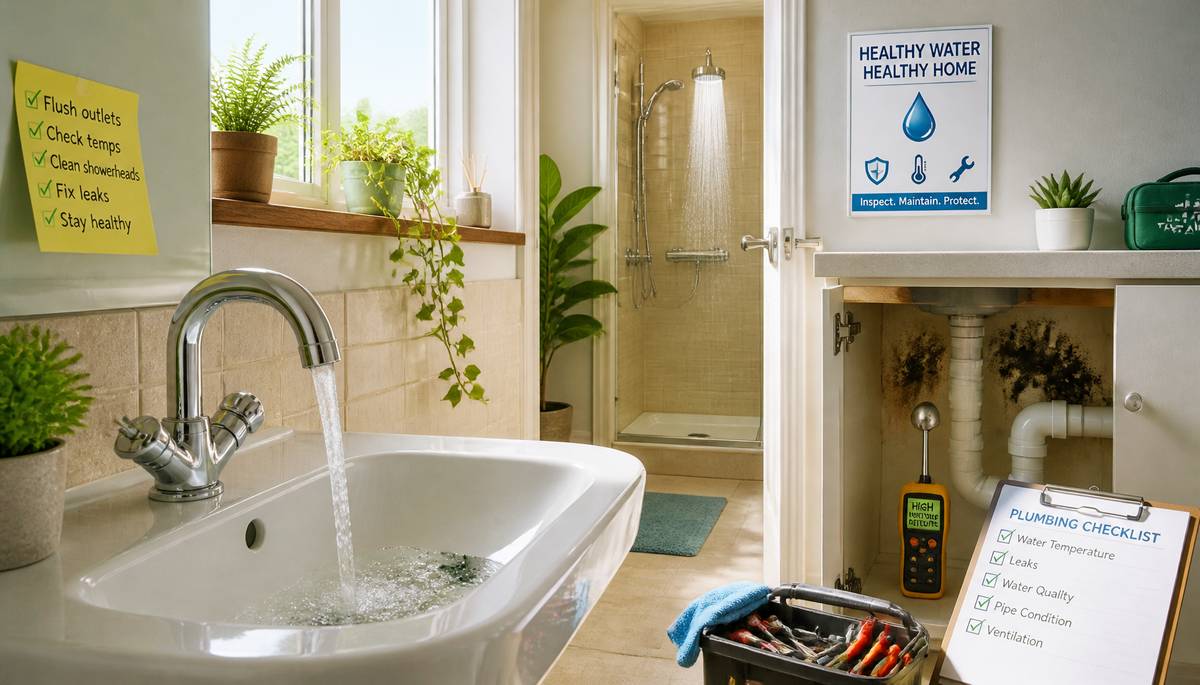 Your bathroom tap may be harbouring more unwanted guests than a budget hotel with a suspiciously generous breakfast buffet. While most homeowners associate plumbing problems with dripping taps, blocked drains and expensive repair bills, neglected water systems can occasionally present a less obvious concern: the health of the people living alongside them.
Domestic plumbing is designed to deliver clean water safely and reliably. However, stagnant water, unsuitable temperatures, ageing pipes and concealed leaks can create conditions in which harmful microorganisms flourish. These problems are particularly relevant in properties with guest bathrooms, rarely used showers or plumbing systems that have remained inactive for extended periods.
When Stagnant Water Becomes a Problem
Water needs movement. When it remains stationary inside pipes, storage tanks or unused fixtures, disinfectant residuals can diminish, temperatures may change and microorganisms can multiply. An infrequently used guest bathroom might look immaculate while the water sitting inside its pipework has been enjoying an extended holiday of its own.One particular concern is Legionella, a bacterium associated with Legionnaires' disease, a potentially serious form of pneumonia. Legionella can multiply in suitable water conditions, especially within the approximate temperature range of 20°C to 45°C. Infection generally occurs through inhaling contaminated water droplets, rather than drinking the water.
Showers, spray-producing taps and certain other fixtures can generate aerosols capable of carrying bacteria. Although the risk in an ordinary, well-maintained home is generally low, poorly managed water systems can increase exposure, particularly for older people, smokers and individuals with weakened immune systems or underlying respiratory conditions.
Hot Water That Isn't Quite Hot Enough
Reducing the temperature of a domestic hot water system might appear to be a sensible way of saving energy. Unfortunately, excessively low storage temperatures can create favourable conditions for bacterial growth.Where hot water is stored in a cylinder, maintaining a storage temperature of approximately 60°C is commonly recommended for Legionella control. Hot water distribution should also be designed to avoid prolonged periods within temperatures favourable to bacterial multiplication. Appropriate thermostatic mixing valves can reduce scalding risks at showers and other outlets without requiring the entire stored water supply to operate at a lower temperature.
These precautions require careful implementation. Water hot enough to control bacteria can also cause serious burns, particularly among children and older residents. A qualified plumbing professional can assess storage temperatures, circulation arrangements and suitable anti-scalding protection.
Hidden Leaks and Unwelcome Indoor Ecosystems
Not every plumbing-related health concern originates inside the drinking water supply. Concealed leaks beneath baths, behind kitchen cabinets or within wall cavities can encourage dampness and mould growth.Persistent moisture may contribute to respiratory irritation, aggravate asthma and trigger allergic symptoms in susceptible occupants. A slow leak can remain undetected for months, quietly converting an expensive fitted kitchen into an experimental mushroom farm.
Warning signs include unexplained musty odours, discoloured plaster, peeling paint, swollen skirting boards and recurring condensation around affected areas. Addressing the underlying moisture source is essential; simply painting over visible mould rarely solves the problem.
Ageing Pipework and Water Quality Concerns
Older plumbing installations can introduce additional concerns, particularly where pipework has deteriorated or unsuitable materials were used during previous renovations. Corrosion may release metals into drinking water, while damaged fittings and poorly maintained storage tanks can compromise water quality.Lead pipework remains a concern in some older properties, particularly where original supply pipes or lead-containing fittings have survived successive renovations. Long-term exposure to lead can affect neurological development in children and contribute to other serious health problems. Unlike a spectacular burst pipe, lead contamination does not necessarily announce itself through obvious changes in taste, smell or appearance.
Discoloured water, metallic flavours and unusual sediment deserve investigation, although these symptoms do not automatically indicate dangerous contamination. Equally, perfectly clear water is not necessarily free from harmful substances. Where concerns exist, accredited laboratory testing and professional inspection provide more reliable answers than attempting to diagnose water quality through an adventurous tasting session.
Giving Forgotten Taps Some Attention
Guest bathrooms, utility rooms, garden taps and holiday properties frequently contain outlets that receive little regular use. Water left standing inside their supply pipes can gradually lose its disinfectant protection, particularly during warm weather.Regularly flushing infrequently used outlets helps replace stagnant water with fresh supplies. Running both hot and cold water until their respective temperatures stabilise is a sensible routine, although care should be taken to minimise inhalation of spray from outlets that have remained unused for prolonged periods. Showerheads can be removed for cleaning and descaling where appropriate.
Properties left vacant for several weeks or months may require more comprehensive flushing procedures before normal occupation resumes. Larger homes with complicated pipework, stored water systems or particularly vulnerable occupants may benefit from professional guidance rather than relying on a quick five-minute tour of the taps.
Recognising When Professional Help Is Necessary
Some plumbing warning signs are straightforward to investigate. Others demand specialist knowledge, particularly where bacterial contamination, backflow risks or unusual water temperatures are suspected.Persistent discolouration, unexplained changes in water pressure, recurring leaks, damaged storage tanks and consistently inadequate hot water temperatures should prompt further assessment. Plumbing professionals can inspect pipework, identify stagnant sections, evaluate temperature controls and recommend corrective maintenance.
Where contamination is suspected, appropriate water sampling and laboratory analysis may be necessary. A professional water hygiene assessment can be especially valuable in properties with complex distribution systems, long periods of vacancy or occupants who face increased risks from waterborne infections.
Keeping Your Plumbing in Good Health
A healthier domestic water system rarely requires dramatic alterations. Regular inspections, prompt leak repairs, suitable hot water temperatures and sensible flushing routines can substantially reduce avoidable risks.Homeowners should also ensure that drinking water storage tanks, where fitted, remain properly covered and maintained. Showerheads and tap aerators benefit from periodic cleaning, while redundant pipework should be assessed for removal rather than abandoned indefinitely.
Ultimately, plumbing maintenance involves more than preventing an expensive puddle beneath the kitchen sink. A properly maintained system protects water quality, limits unwanted bacterial growth and helps maintain a healthier indoor environment. Your pipes may never thank you for the attention, but your lungs, wallet and bathroom ceiling might.
Article kindly provided by safeplumbersglasgow.com
Latest Articles
- Could Your Home's Plumbing Be Affecting Your Health Without You Realising?
- Toothache: When to Monitor, Call Soon or Seek Urgent Dental Care
- Your Donor Hair Is a Finite Resource: Why Hair Restoration Needs a Long-Term Budget
- Why Your Fitness Routine Needs More Easy Days, Not More Hard Ones
- The Hidden Hair Loss Triggers Most People Never Think About
- The Mouth-Body Connection Most People Ignore
- The Psychology of Texture in Wellness Photography
- When DIY Beauty Goes Too Far: Treatments Better Left to Professionals
- The Hidden Link Between Jaw Tension and Everyday Headaches
- Sleep Timing Shapes Hormones More Than You Think
- How Subconscious Habits Affect Your Skin Health
- Fragrance Fatigue Is Real: How Smaller Bottles Help Your Nose Stay Sharp
- Traveling with a Baby: Smart Packing Strategies for Modern Parents
- How Oral Health Quietly Influences Energy Sleep and Long Term Well Being
- How Emotions Affect Your Skin
- Everyday Walks as Brain Games for Your Dog
- How Light Weights Can Build Serious Strength
- Missing Dental Supplies and What They're Really Telling You
- Rethinking Early Intervention Strategies for Childhood Behavior Support
- Keep Going: The Brain Science of Turning Setbacks Into Momentum
- Nutrition and Dietetics
- Exercise and Fitness
- Meditation and Yoga
- Mental Health
- Women's Health
- Men's Health
- Children's Health
- Senior Health
- Heart Health
- Sleep Health
- Skin Health
- Eye Health
- Dental Health
- Pain Management
- Addiction and Recovery
- Sexual and Reproductive Health
- Alternative Medicine
- Chronic Conditions
- Weight Management
- Occupational Health and Safety
- Public Health
- General Health Tips
- Beauty